

Other Government Agencies
This partnership extends beyond coordination; it involves the strategic sharing of resources, intelligence, expertise and experience to achieve common goals and enhance public safety.
This partnership extends beyond coordination; it involves the strategic sharing of resources, intelligence, expertise and experience to achieve common goals and enhance public safety.
Community Members and Groups
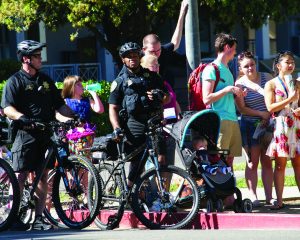
Police forge partnerships with people who live and work in the community. These partnerships can help develop trust and transparency, leading to more efficient and effective policing and better community-police relationships.
Police forge partnerships with people who live and work in the community. These partnerships can help develop trust and transparency, leading to more efficient and effective policing and better community-police relationships.
Nonprofits and Service Providers
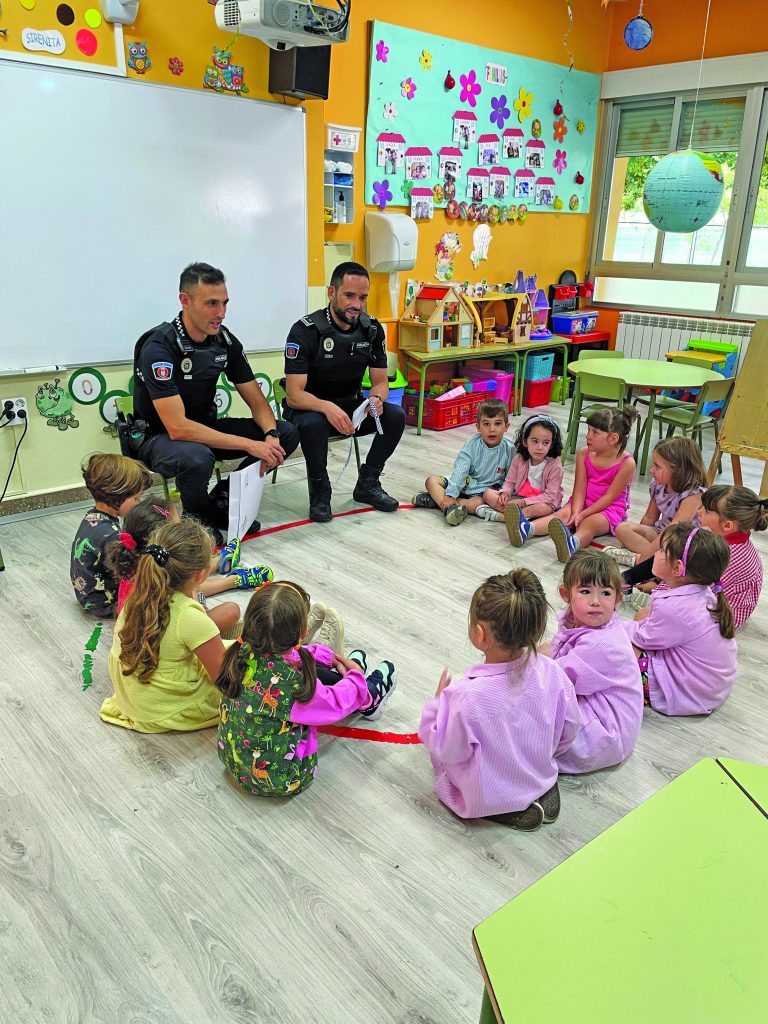
Police often partner with entities such as support groups, issue and advocacy organizations, and the faith-based community. These partnerships allow for more coordinated and targeted use of shared resources.
Police often partner with entities such as support groups, issue and advocacy organizations, and the faith-based community. These partnerships allow for more coordinated and targeted use of shared resources.

Local Businesses
Police develop partnerships with the local small businesses, large corporations, chamber of commerce, and visitor's bureaus. By working together, police and these local partners and community stakeholders can share resources and collaboratively problem solve, leading to more comprehensive and effective crime prevention strategies. Businesses can provide valuable insights into local crime trends, while police can offer businesses guidance on security measures. Additionally, their partnerships increase community trust and cooperation. Through join initiatives such as community meetings, neighborhood watch programs, emergency preparedness plans, and public safety campaigns, these alliances significantly contribute to the overall well-being and prosperity of the community.
Police develop partnerships with the local small businesses, large corporations, chamber of commerce, and visitor's bureaus. By working together, police and these local partners and community stakeholders can share resources and collaboratively problem solve, leading to more comprehensive and effective crime prevention strategies. Businesses can provide valuable insights into local crime trends, while police can offer businesses guidance on security measures. Additionally, their partnerships increase community trust and cooperation. Through join initiatives such as community meetings, neighborhood watch programs, emergency preparedness plans, and public safety campaigns, these alliances significantly contribute to the overall well-being and prosperity of the community.
Media
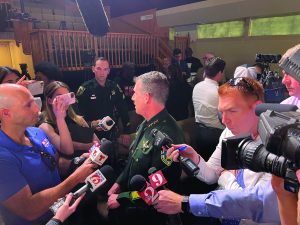
Police develop partnerships with local newspapers, television outlets, radio stations, and bloggers. These lead to greater transparency, better public image, and more effective crime-solving.
Police develop partnerships with local newspapers, television outlets, radio stations, and bloggers. These lead to greater transparency, better public image, and more effective crime-solving.
Scanning
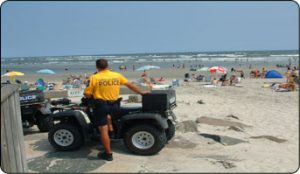
Officers identify and prioritize problems, determine the nature of the problem, and the scope of the problem.
Officers identify and prioritize problems, determine the nature of the problem, and the scope of the problem.

Analysis
Officers research what is known about the problem to gain a thorough understanding of all possible contributing factors.
Officers research what is known about the problem to gain a thorough understanding of all possible contributing factors.
Response
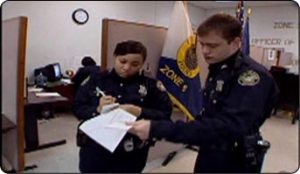
Officers develop solutions to bring about lasting reductions in the number and extent of problems.
Officers develop solutions to bring about lasting reductions in the number and extent of problems.

Assessment
Officers evaluate the success of the response and make adjustments as necessary.
Officers evaluate the success of the response and make adjustments as necessary.
Using the Crime Triangle
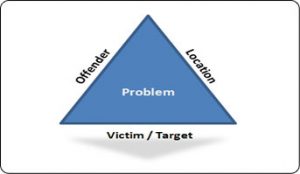
Officers look for vulnerabilities in the crime triangle. Problems can be solved by disrupting the relationship among the victim, offender, and location.
Officers look for vulnerabilities in the crime triangle. Problems can be solved by disrupting the relationship among the victim, offender, and location.

Agency Management – Community policing helps police executives to incorporate community policing ideals into all areas of an agency.

Organizational Structure
A community policing structure provides line-level officers with decision-making authority and accountability. This empowers the officers who interact and build relationships with their community members on a daily basis.
A community policing structure provides line-level officers with decision-making authority and accountability. This empowers the officers who interact and build relationships with their community members on a daily basis.

Personnel
Community policing ideals are incorporated into all personnel practices including recruitment, hiring, section, training, and evaluations. The goal and emphasis of every practice is the development of a positive relationship between police and the community.
Community policing ideals are incorporated into all personnel practices including recruitment, hiring, section, training, and evaluations. The goal and emphasis of every practice is the development of a positive relationship between police and the community.
Information Systems and Technology
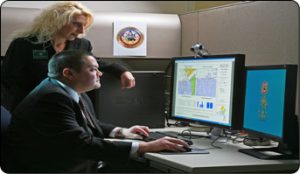
Technology plays a central role in providing access to accurate community information and enhancing two-way communication.
Technology plays a central role in providing access to accurate community information and enhancing two-way communication.